EN
GET A QUOTE
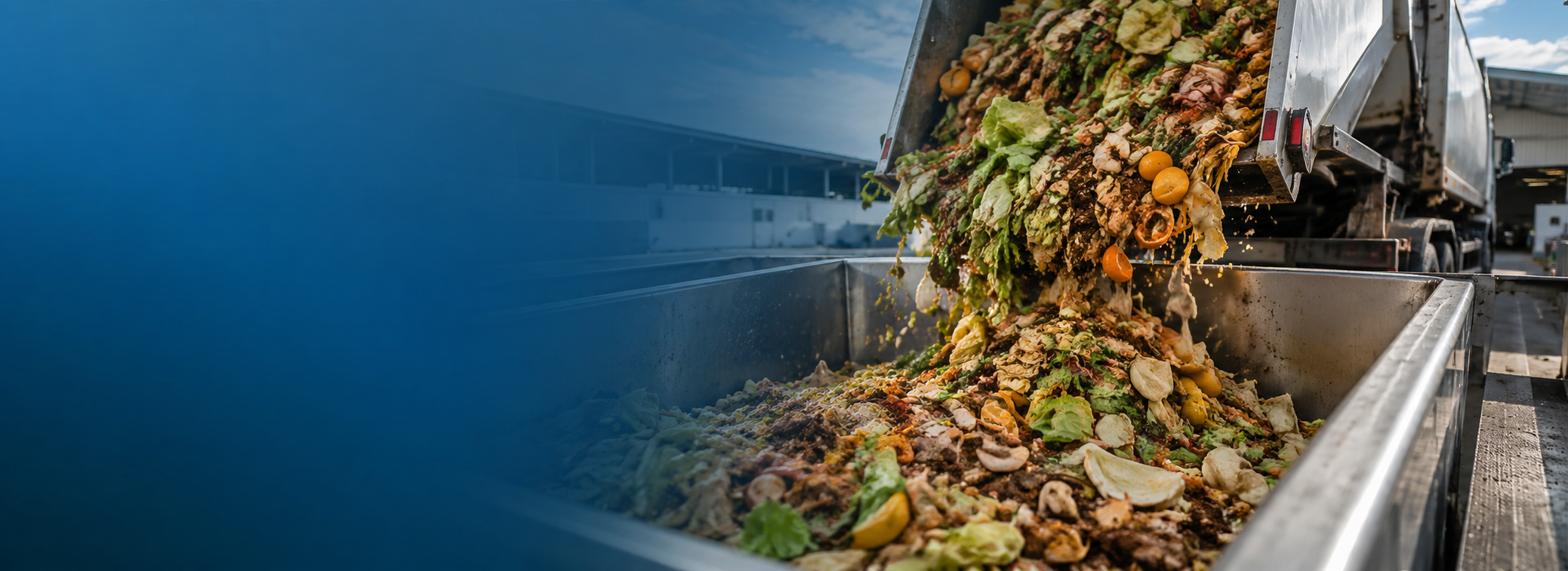
Jiangsu Sunrise helps handle food waste slurry, restaurant grease and wet organic residues with lamella pump and fat press equipment, supporting material transfer and waste oil recovery where applicable.
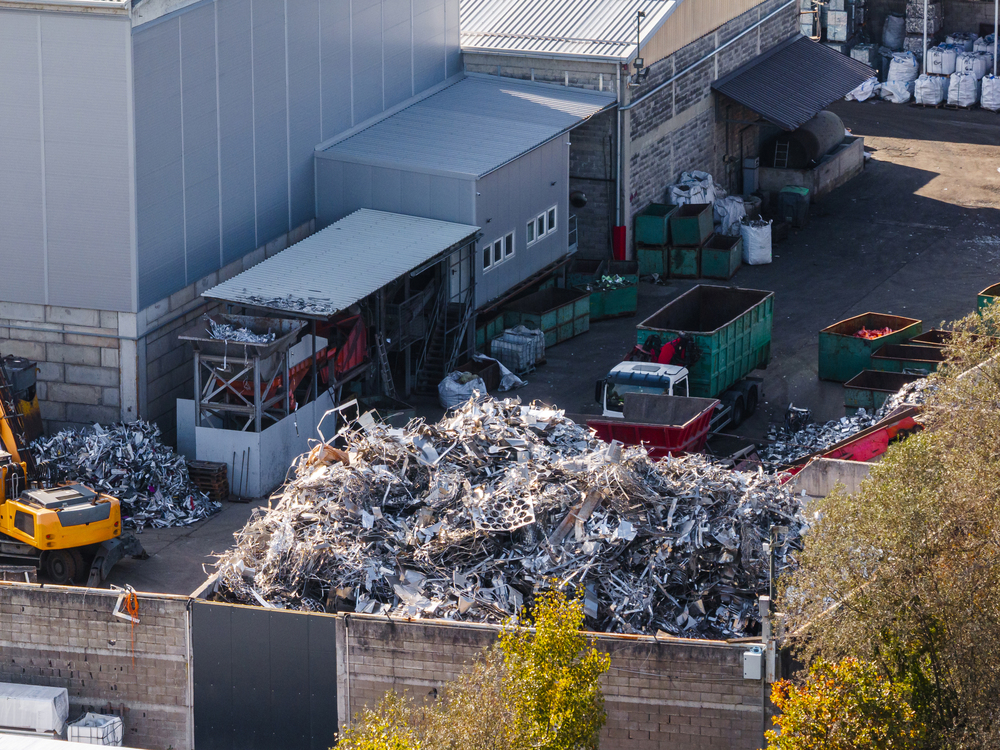
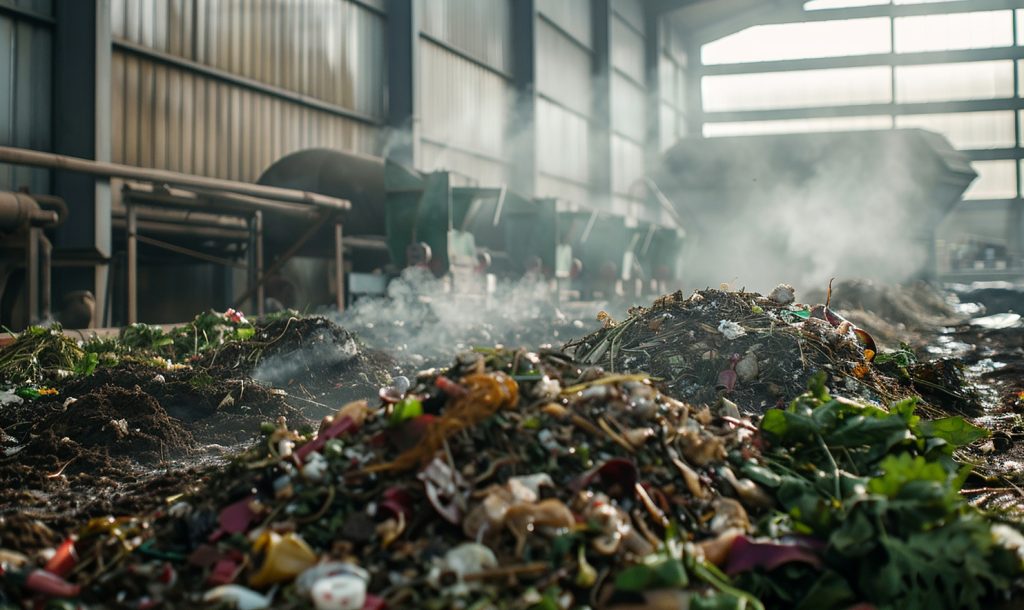
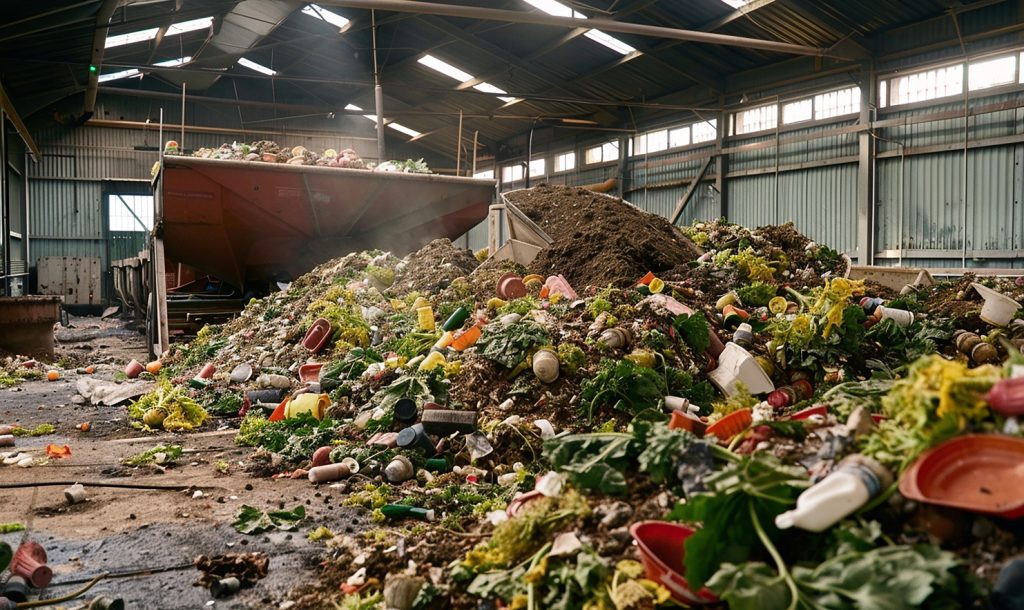
Kitchen waste is usually a complex mixture of food residues, grease, water, suspended solids and organic matter. The material can vary greatly depending on collection source, moisture content, oil content, particle size and pre-sorting quality. Sunrise recommends suitable transfer or pressing equipment according to the actual condition of your kitchen waste stream and recovery target.
Common kitchen waste streams include:
The purpose of kitchen waste handling is to support usable oil recovery, improve material transfer and reduce the organic burden before wastewater treatment, anaerobic digestion, composting or further resource recovery.

Recover grease and waste oil from kitchen waste slurry, restaurant grease and mixed organic residues before disposal or further treatment.

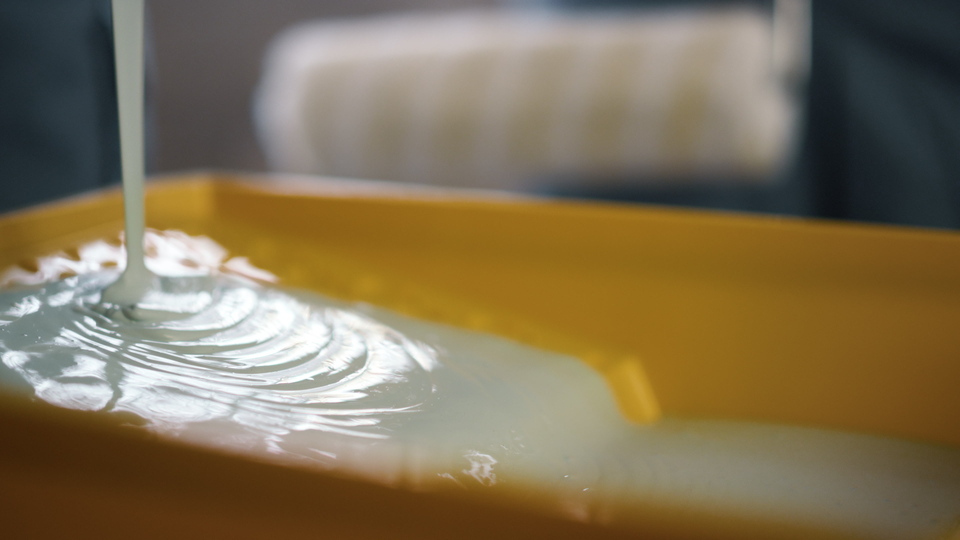
Handle oil-rich slurry and suspended solids to make kitchen waste streams easier to pump and process.

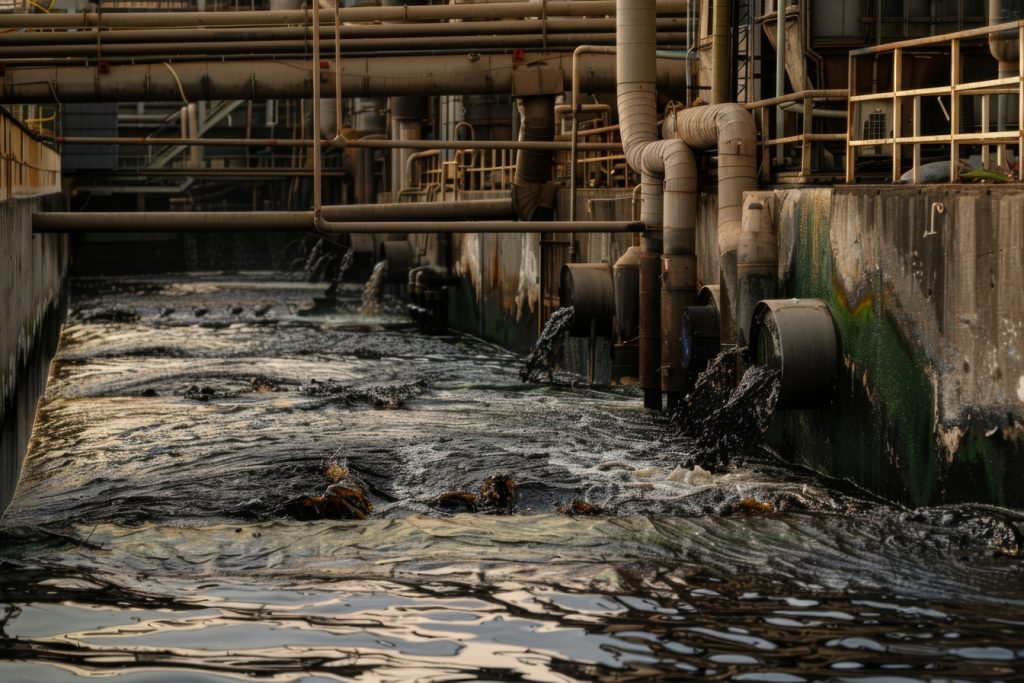
Reduce oil, grease and organic solids entering downstream wastewater treatment systems.

Recover usable oil where applicable and reduce unstable slurry handling pressure.

Support cleaner enclosed processing by reducing uncontrolled organic residues, grease accumulation and high-moisture waste buildup.

Support kitchen waste recovery by improving oil-rich material handling and preparing the stream for further treatment.
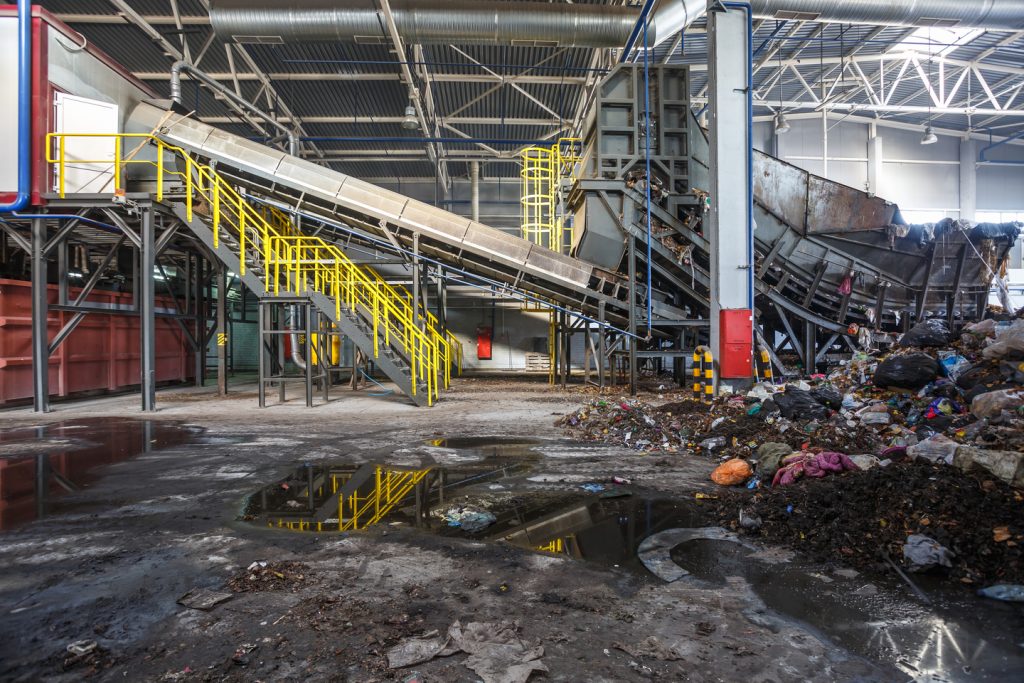
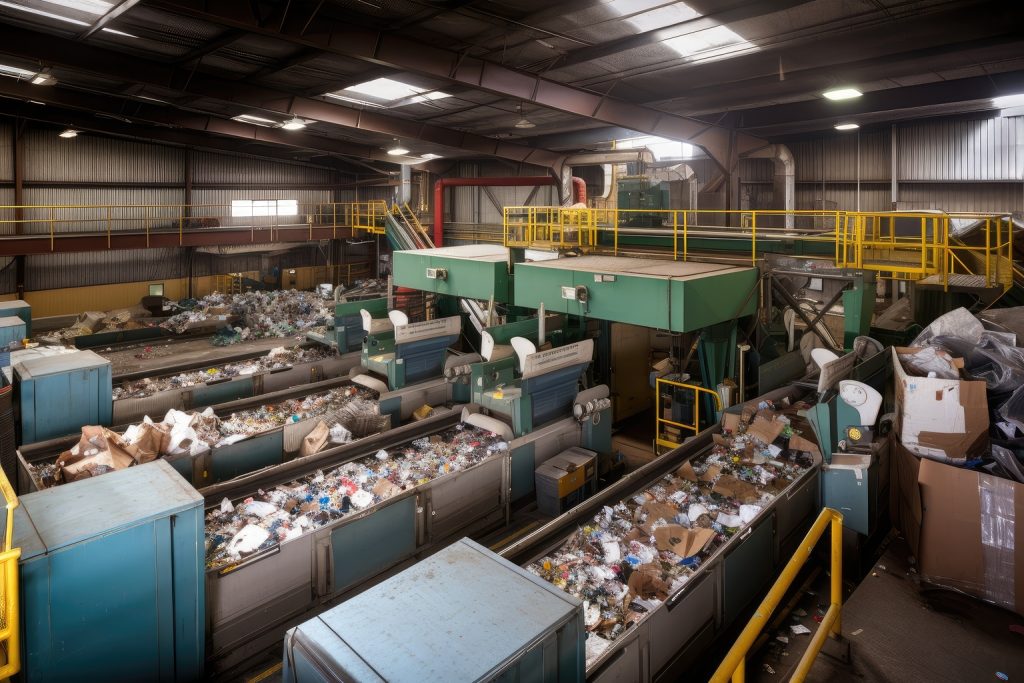
A kitchen waste handling setup is usually designed around the moisture content, oil content, solids content and particle size of the incoming material. Depending on the waste condition, the equipment may support receiving, sorting, crushing, heating, pumping and oil recovery.
Typical equipment steps:
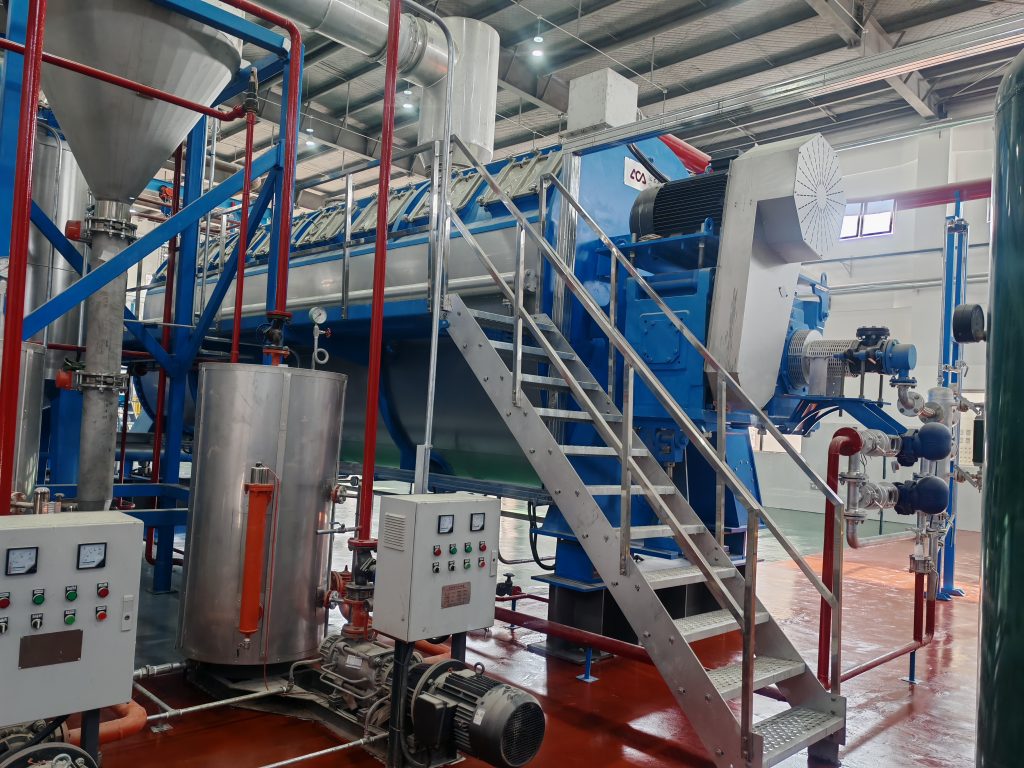
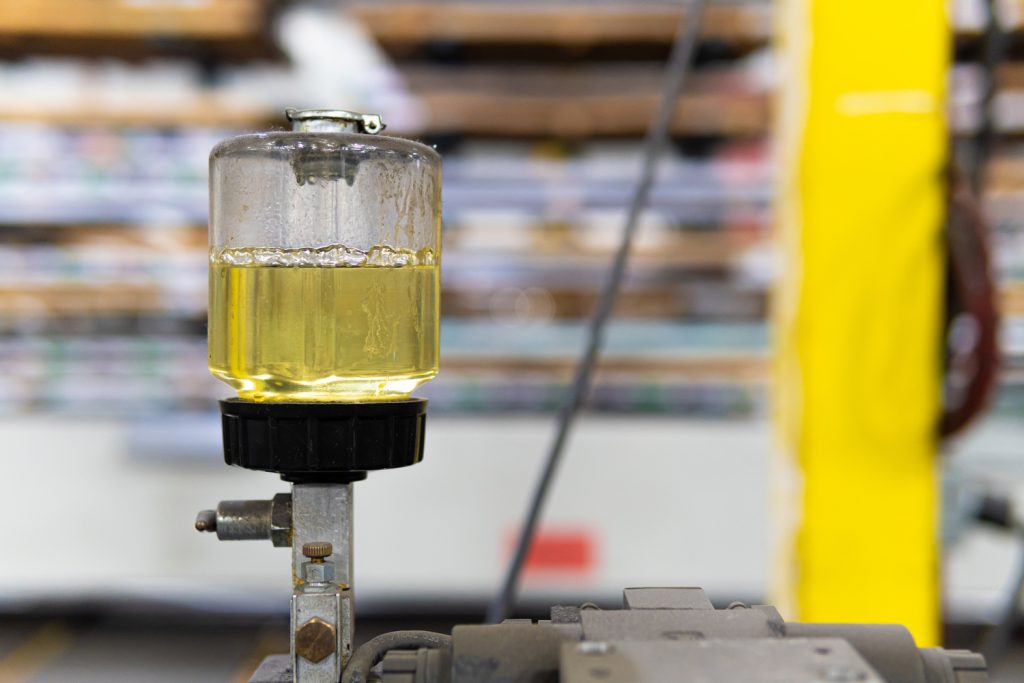
Kitchen waste can quickly create odor, grease buildup, wastewater load and handling problems when oil-rich slurry and organic solids are not handled in time. Fats, oils and grease can also increase pipe blockage risk and make downstream treatment less stable.
Sunrise lamella pump and fat press equipment helps handle oil-rich slurry, support waste oil recovery where applicable, reduce downstream load and make kitchen waste treatment cleaner and more controllable. This supports a more circular route for food waste processors, municipal kitchen waste plants, restaurant waste collectors and organic waste treatment facilities.
Kitchen waste streams differ from site to site. Sunrise evaluates your material source, oil content, solids content, moisture level and downstream treatment method before recommending suitable lamella pump or fat press equipment.

Waste Source

Oil and Grease Content

Moisture Content

Solids Content and Particle Size

Odor and Enclosed Operation Needs
Daily Processing Capacity
Downstream Treatment Method
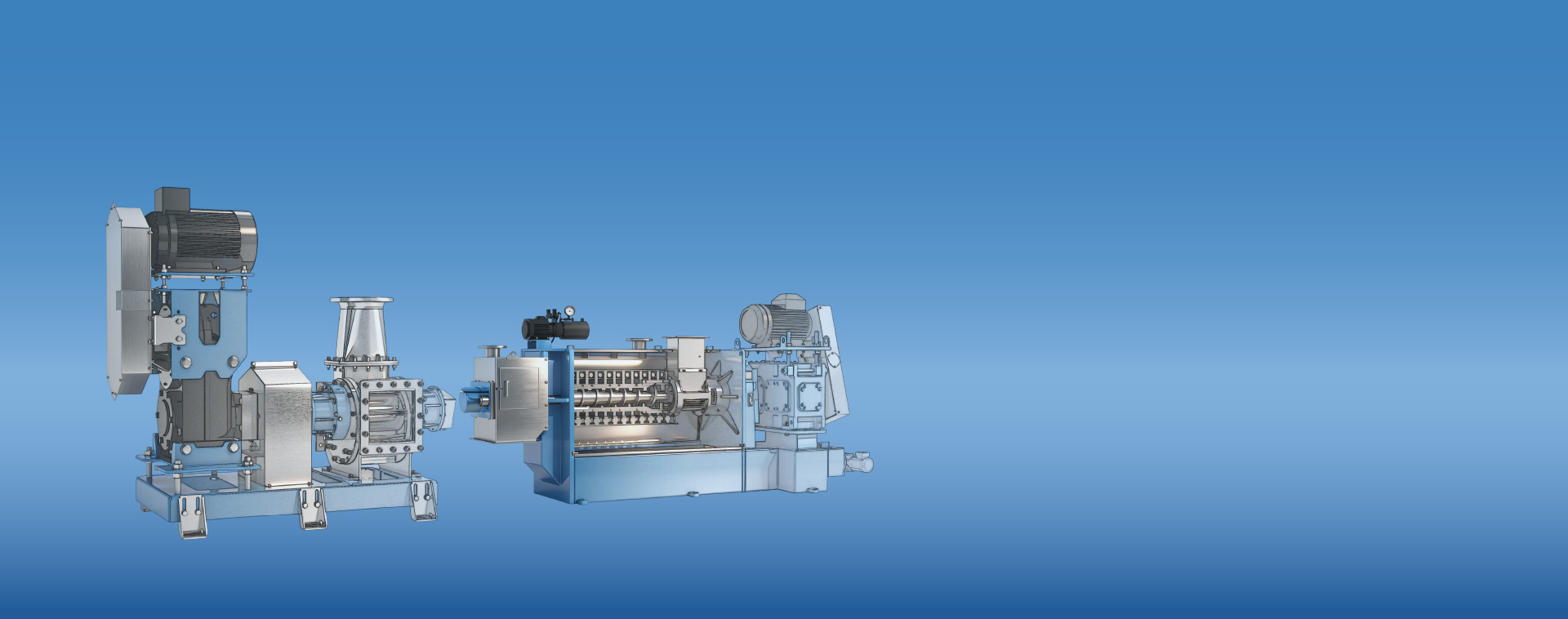
From a single fat press to a full continuous rendering plant — speak with our engineering team about a tailored configuration for your site.

Chinese (Simplified)

English

French

Portuguese

Spanish