EN
GET A QUOTE

Jiangsu Sunrise helps farms, poultry producers and processors manage animal mortality with crusher, lamella pump and fat press equipment, supporting controlled handling and recovery where local regulations allow.
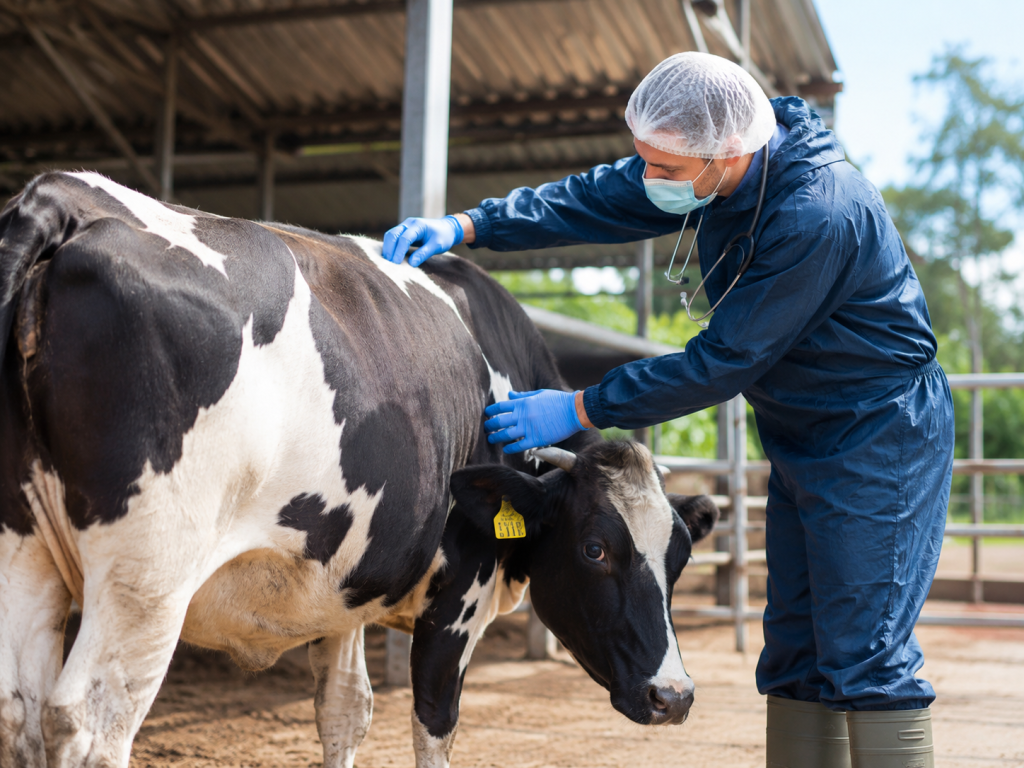
Animal mortality material can be difficult to manage because it is high in moisture, biologically unstable and sensitive to odor, hygiene and regulatory requirements. Sunrise recommends suitable equipment according to animal type, carcass size, daily mortality volume, disease-control requirements and final treatment target.
Common animal mortality streams include:
The purpose of animal mortality management is to handle carcass material safely, reduce biological and odor risk, stabilize organic waste and recover value where local regulations and material classification allow.

Support controlled handling of dead animals and mortality waste to reduce exposure, leakage and uncontrolled biological risk.

Use enclosed crushing and transfer equipment to make mortality handling cleaner and more manageable.

Support safer handling of high-moisture carcass material before downstream treatment or disposal.

Recover protein meal and animal fat from suitable mortality streams where regulations and material conditions permit.

Reduce unstable carcass volume and support cleaner operation with a more controlled mortality treatment process.

Turn suitable animal by-products from a disposal burden into recoverable resources through controlled handling and downstream recovery.
An animal mortality handling setup is usually designed around animal type, carcass size, daily capacity, moisture level and local compliance requirements. Depending on the material, the equipment may support receiving, size reduction, transfer and pressing before downstream treatment.
Typical equipment steps:
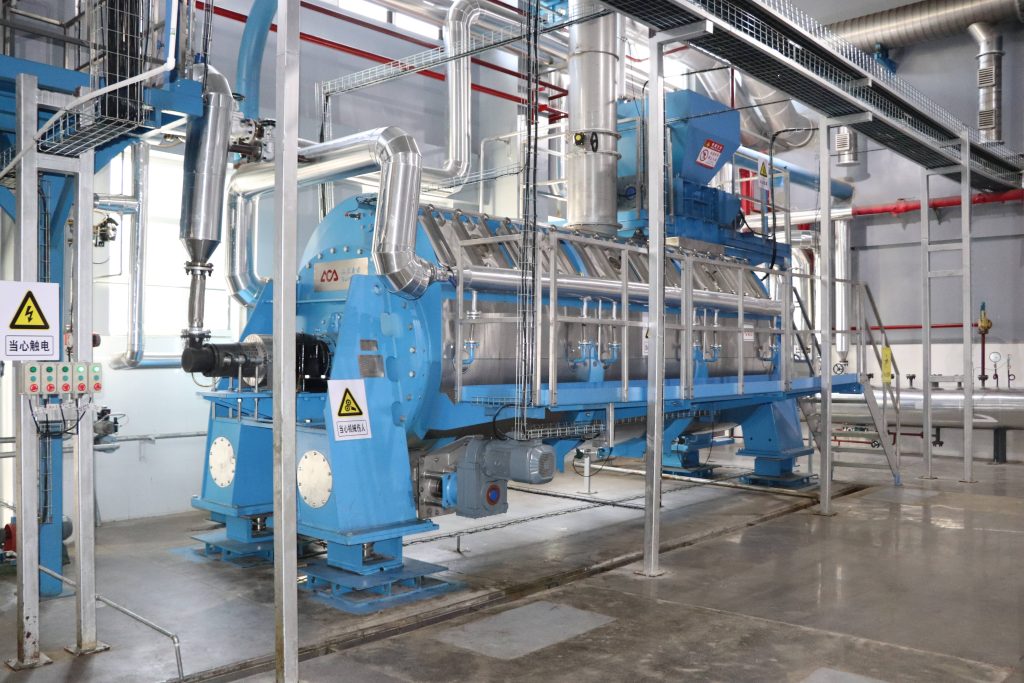
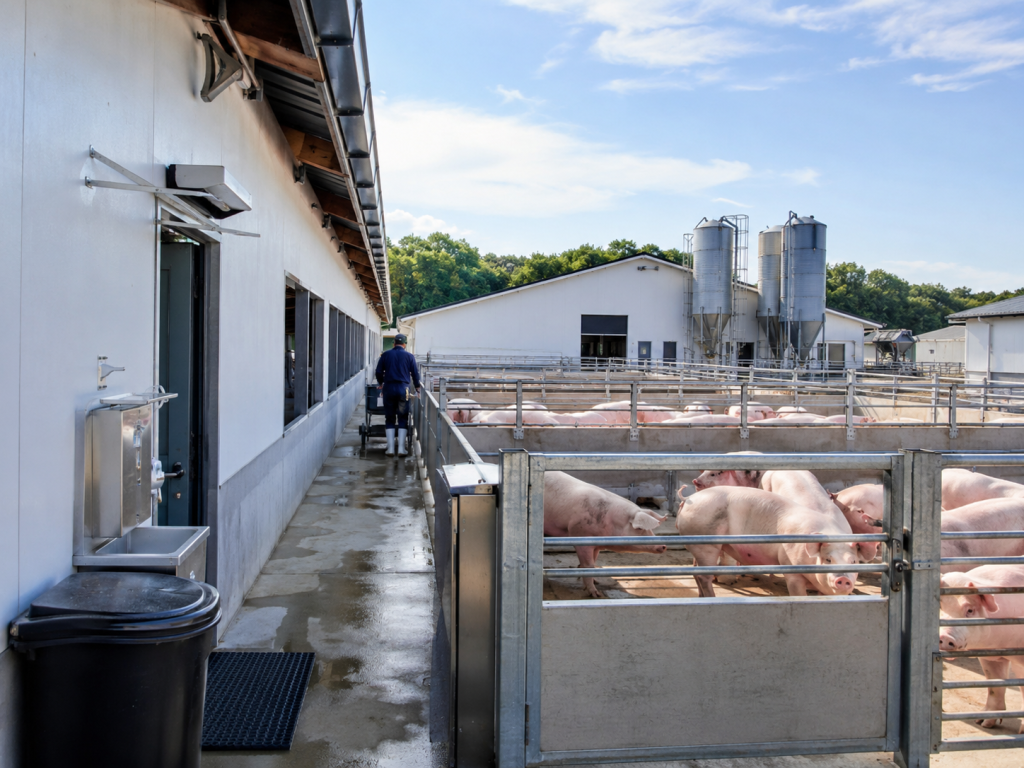
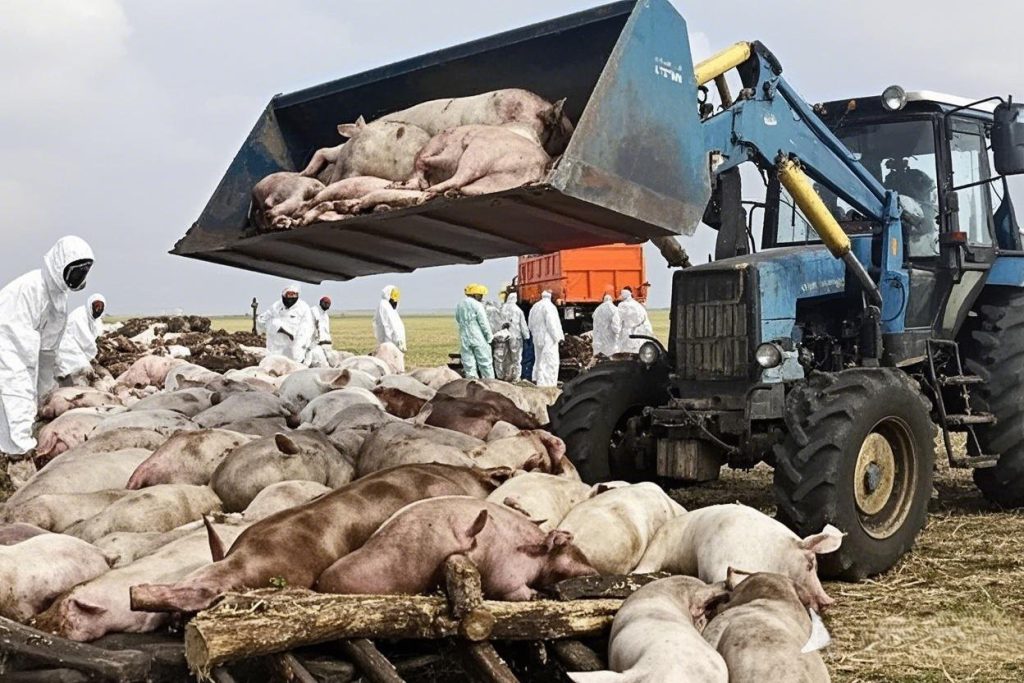
Uncontrolled animal mortality disposal can create odor, biosecurity risk, groundwater concern, pest attraction and high disposal pressure. For farms, poultry operations and livestock processors, safe handling becomes especially important when mortality volume increases or carcass material must be managed quickly.
Sunrise crusher, lamella pump and fat press equipment helps reduce carcass size, support material transfer, recover usable fat where allowed and move carcass material through a cleaner enclosed handling process. This supports a more responsible route for farm mortality management, slaughterhouse by-products and animal waste resource recovery.
Animal mortality management requires more than one standard machine. Sunrise evaluates the animal type, carcass size, mortality volume, biosecurity requirement and final treatment target before recommending suitable equipment.

Animal Type

Carcass Size

Daily Mortality Volume

Moisture and Fat Content

Biosecurity and Odor Control Needs
Final Product or Disposal Target
Site Layout and Utilities

From a single fat press to a full continuous rendering plant — speak with our engineering team about a tailored configuration for your site.

Chinese (Simplified)

English

French

Portuguese

Spanish