EN
GET A QUOTE
Jiangsu Sunrise helps edible oil mills handle oily sludge, soapstock, gums and process residues with lamella pump and fat press equipment, supporting material transfer and residual oil recovery where applicable.
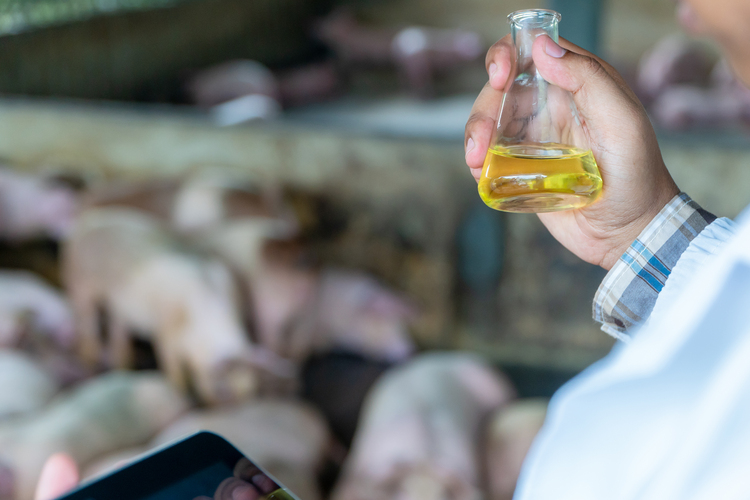
Every edible oil plant has different waste characteristics depending on the raw material, refining process, water usage and cleaning method. Sunrise recommends suitable transfer or pressing equipment according to your oil content, solids content, flow rate and recovery target.
Common feedstock includes:
The goal is not only wastewater treatment, but resource recovery before disposal.

Recover residual vegetable oil from oily wastewater, oil sludge, soapstock and process residues.

Handle oil-rich residues more efficiently to support edible oil mill waste recovery.

Reduce oil content entering wastewater treatment and lower pressure on downstream systems.

Lower sludge volume and handling cost by removing recoverable oil and solids before disposal.

Improve material handling before downstream wastewater treatment through stable transfer and pressing support.

Reduce environmental discharge pressure by treating oily waste streams before final disposal.
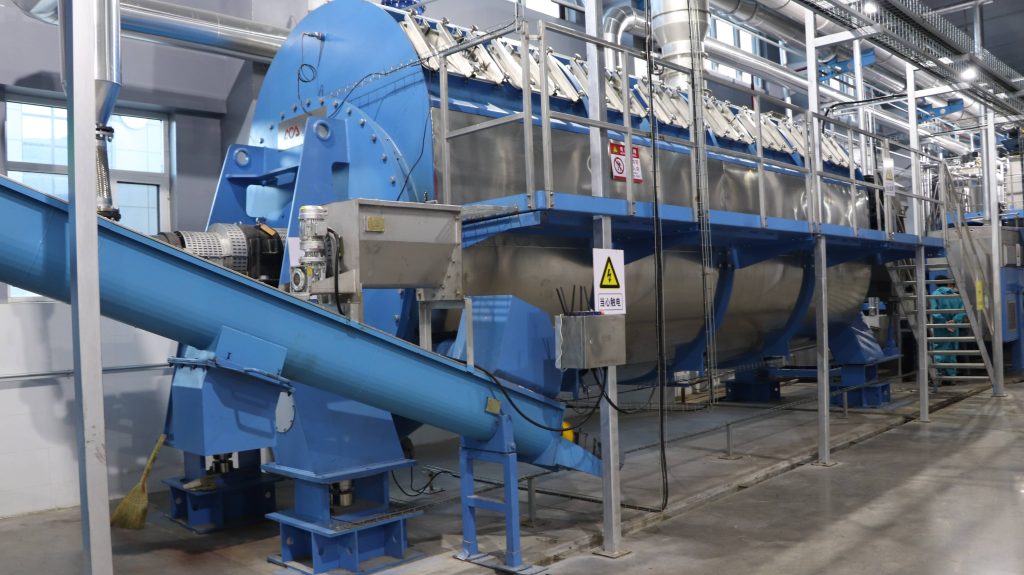
A typical edible oil mill waste handling setup may include collection, transfer pumping, heating or conditioning and pressing where applicable. Equipment selection can be adjusted for high-oil wastewater, high-solids sludge or mixed oil-rich streams.
Typical process flow:
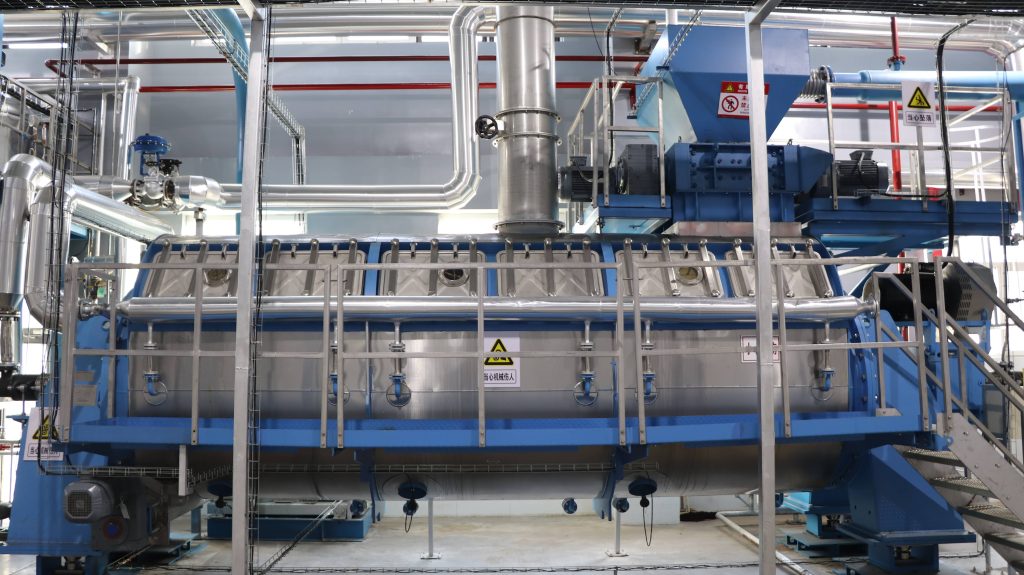
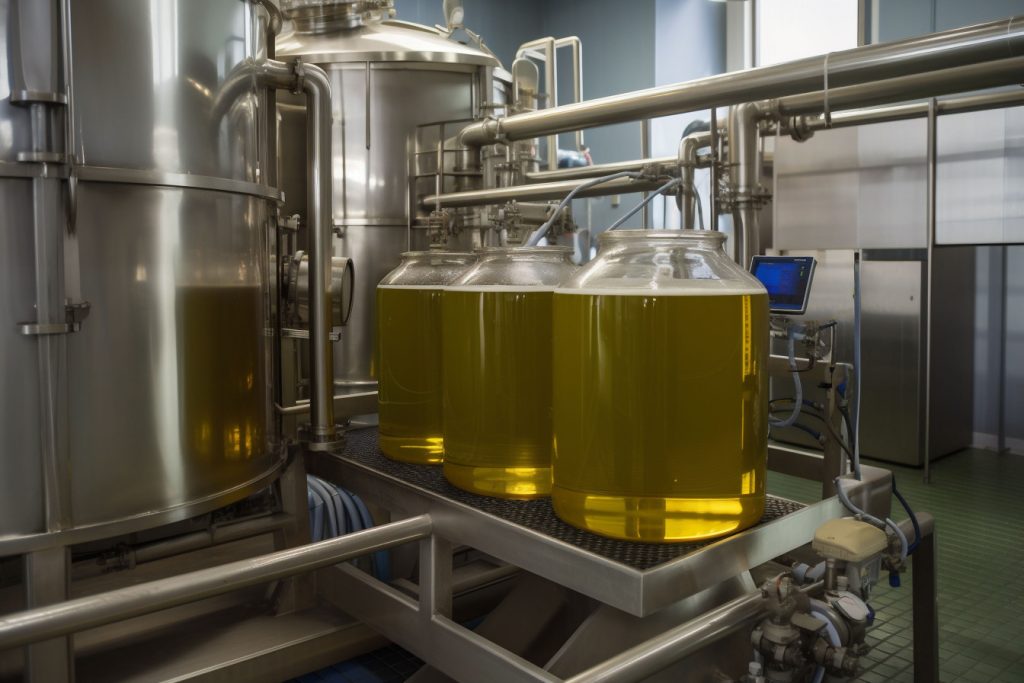
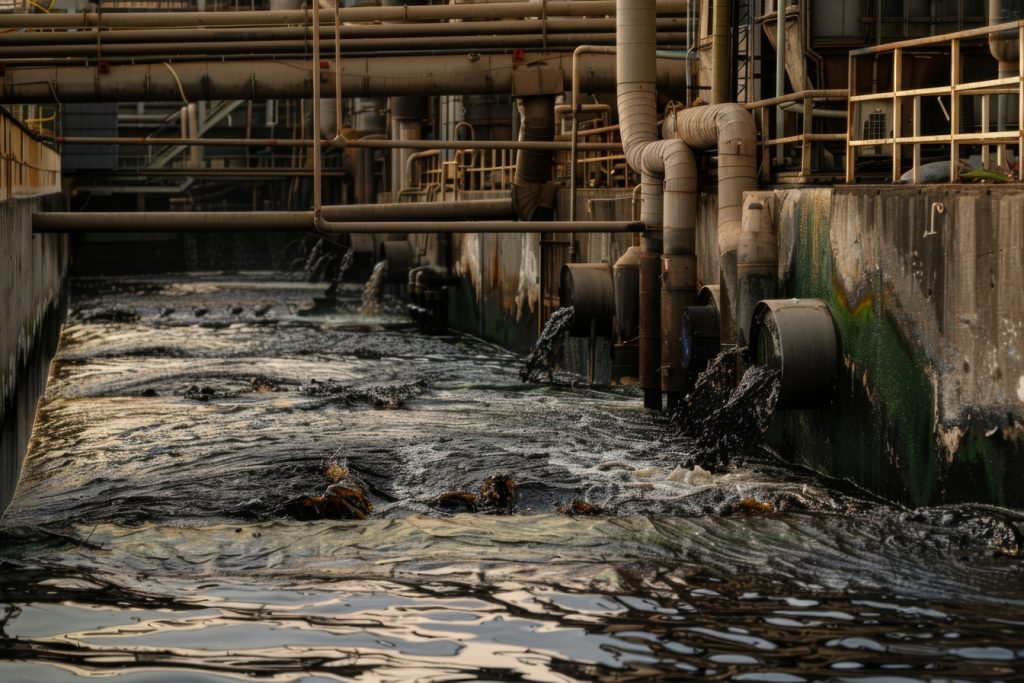
Oily wastewater and oil sludge are not only environmental burdens. They often contain residual vegetable oil that can be recovered before the remaining water and solids enter downstream treatment.
By improving oil-rich residue handling at an earlier stage, edible oil mills can reduce wastewater load, improve plant cleanliness, recover usable oil where applicable and reduce the amount of unstable sludge that must be handled or disposed of.
Sunrise does not use one fixed system for every edible oil mill. We evaluate your actual waste stream before recommending suitable lamella pump or fat press equipment.

Oil Content

Suspended Solids Content

Flow Rate and Daily Waste Volume

Temperature and Viscosity

Target Oil Recovery Rate
Existing Wastewater Treatment Process
Site Layout and Available Utilities
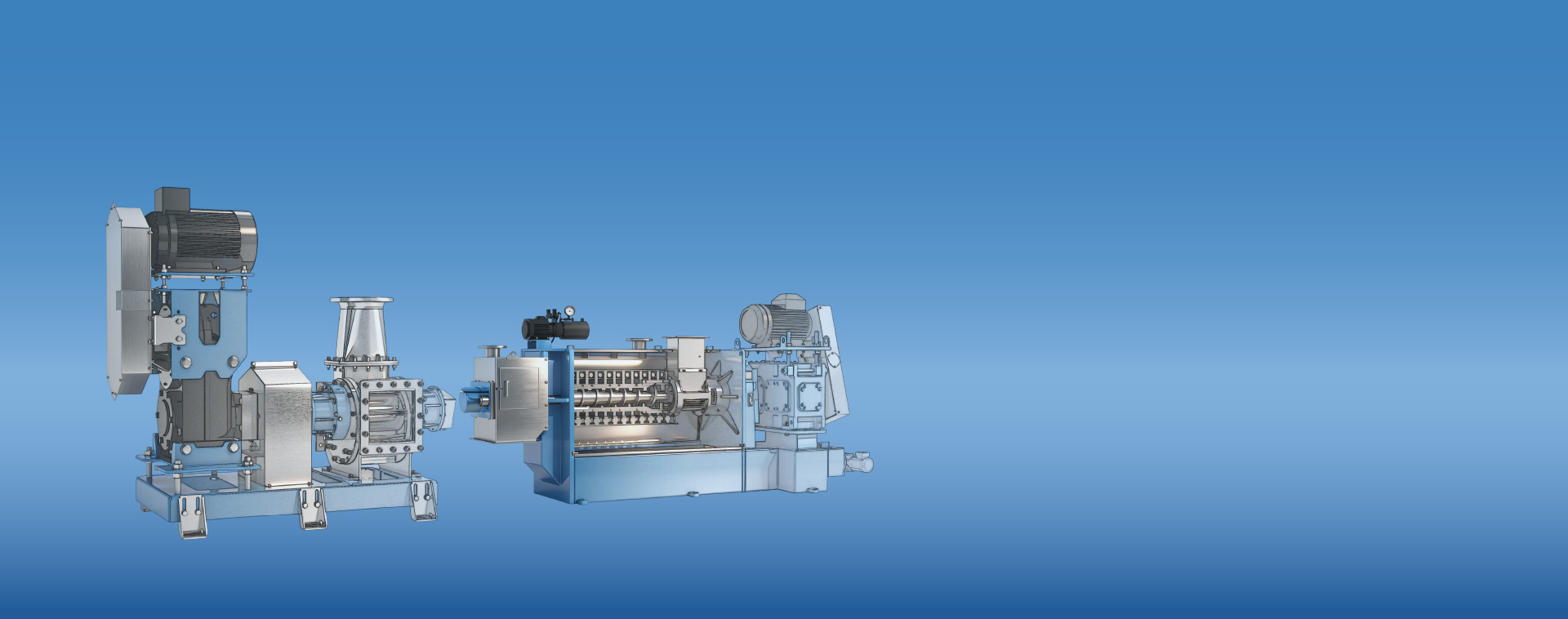
From a single fat press to a full continuous rendering plant — speak with our engineering team about a tailored configuration for your site.
Chinese (Simplified)

English

French

Portuguese

Spanish