EN
GET A QUOTE
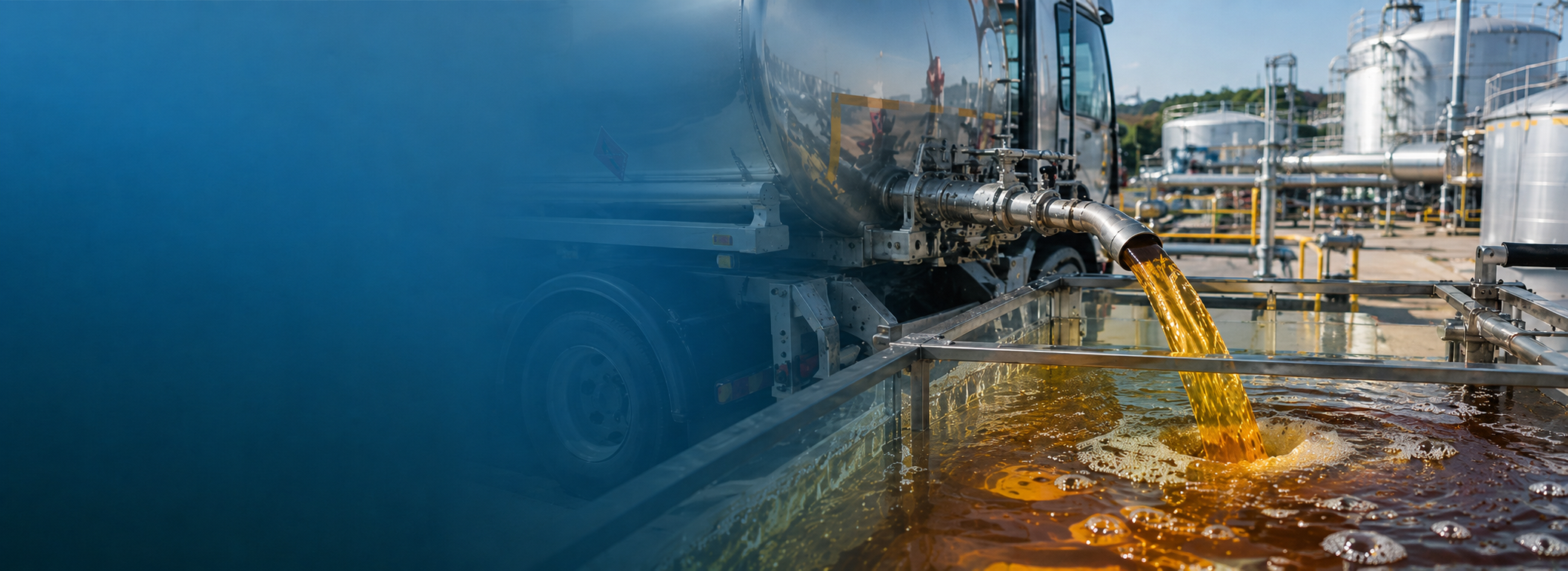
Jiangsu Sunrise helps biodiesel producers handle used cooking oil, animal fat and oil-rich feedstock with lamella pump and fat press equipment, supporting material transfer and oil or fat recovery where applicable.
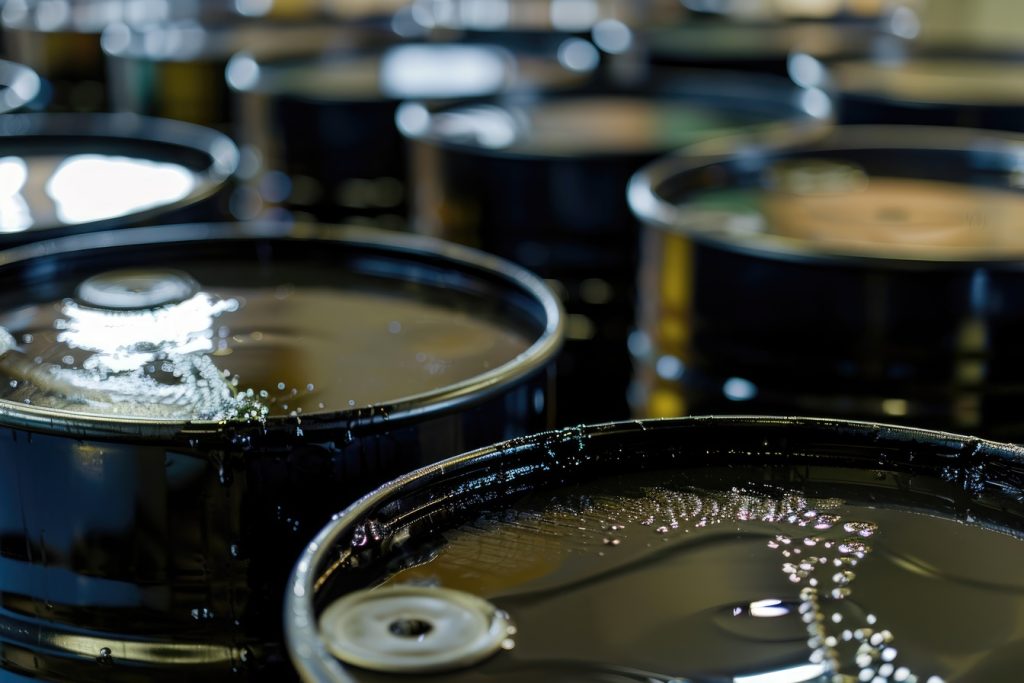
Biodiesel feedstock can come from many waste-to-resource streams, but these materials often contain water, fine solids, food residues, sludge, gums or other impurities. Sunrise recommends suitable transfer or pressing equipment according to the source, impurity level, oil content, viscosity and target feedstock quality.
Improve biodiesel feedstock handling by supporting transfer, conditioning and oil or fat recovery before further processing.

Improve biodiesel feedstock consistency by removing water, sludge, suspended solids and visible impurities before further processing.

Support stable handling of used cooking oil, animal fat and mixed waste oil streams before downstream biodiesel production.

Handle food residues, fine particles, sludge and organic solids that can affect storage, pumping and processing efficiency.

Recover usable oil and fat from mixed waste streams instead of sending valuable material to disposal or low-value treatment.

Reduce the amount of oily wastewater, sludge and unstable residues entering downstream environmental treatment systems.

Support a more circular biodiesel feedstock process by upgrading waste fats and oils before they become renewable fuel raw material.
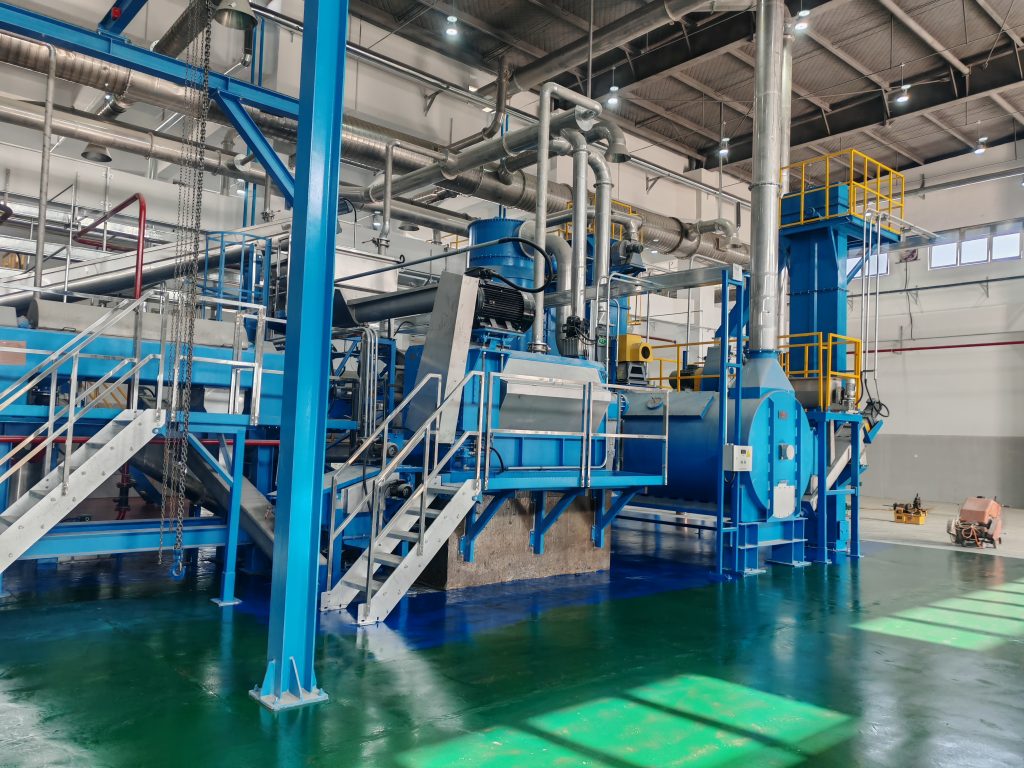
A biodiesel feedstock pre-treatment setup is usually designed around the condition of the incoming waste oil or fat. Materials with high viscosity, high solids content or mixed oil-rich phases may require heating, conditioning, transfer pumping and pressing support before they are suitable for further biodiesel processing.
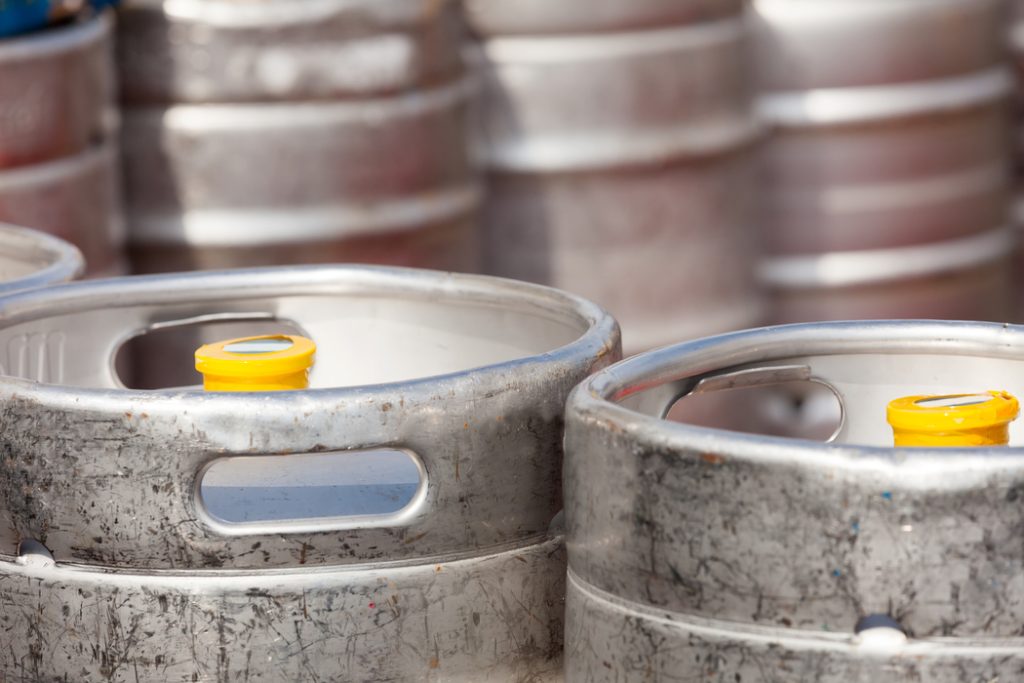
Used cooking oil, animal fat and waste vegetable oil can become valuable biodiesel feedstock when unstable residues are properly handled before downstream processing. Without effective pre-treatment, these waste streams may increase sludge volume, wastewater load, odor risk and processing difficulty.
Sunrise lamella pump and fat press equipment helps handle oil-rich materials, recover useful oil or fat where applicable and make waste-derived biodiesel feedstock more stable. This supports a cleaner waste-to-resource pathway for biodiesel producers, rendering plants, edible oil processors and waste oil collectors.
Different biodiesel feedstock sources behave differently during handling and recovery. Sunrise evaluates the actual waste oil or fat stream before recommending suitable lamella pump or fat press equipment.

Feedstock Source

Water Content

Solids and Sludge Content

Oil or Fat Recovery Target

Temperature and Viscosity
Daily Processing Capacity
Downstream Biodiesel Process
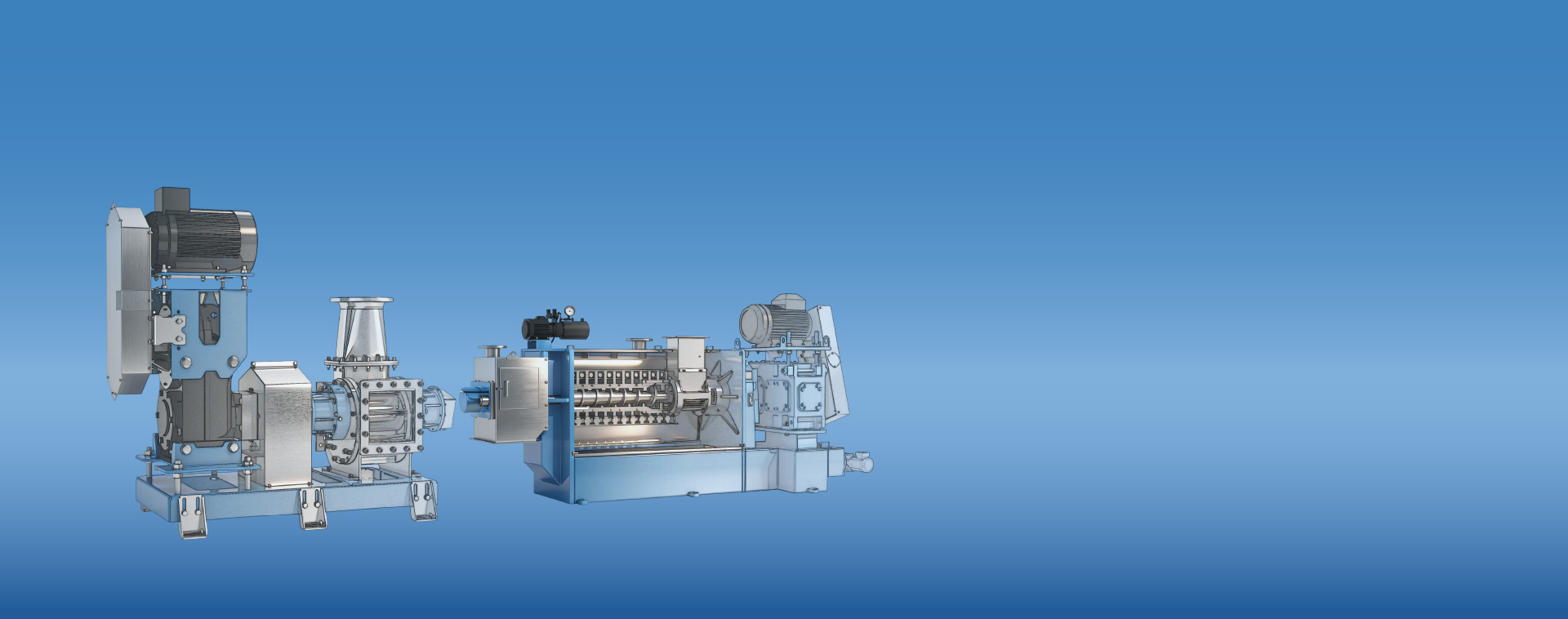
From a single fat press to a full continuous rendering plant — speak with our engineering team about a tailored configuration for your site.

Chinese (Simplified)

English

French

Portuguese

Spanish