EN
GET A QUOTE
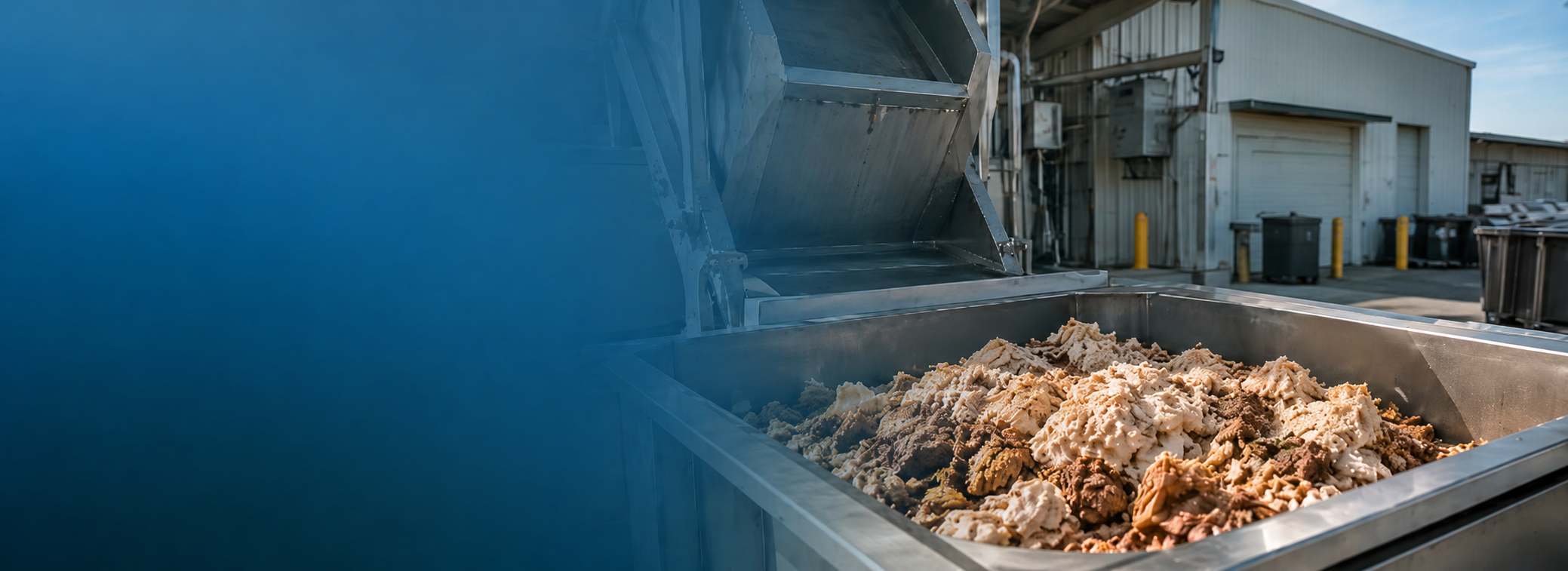
Jiangsu Sunrise provides slaughterhouse waste rendering solutions for poultry, pork, cattle and mixed by-products, converting carcasses, bones, blood, offal and feathers into protein meal and animal fat.
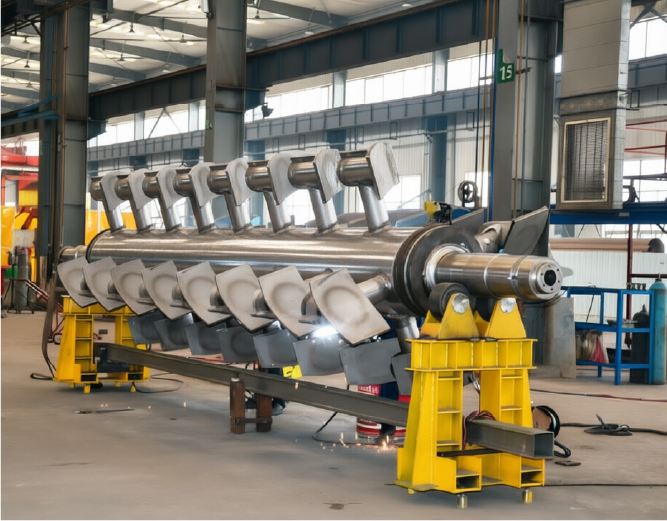
Different slaughterhouses generate different waste streams depending on animal type, processing method, moisture content and fat content. Sunrise recommends suitable equipment around your actual feedstock and daily capacity.
Common feedstock includes:
Our goal is not only to process slaughterhouse waste, but to recover value from carcasses, bones, blood, offal and feathers while reducing environmental pressure.

Recover protein meal, meat and bone meal, blood meal and animal fat from animal by-products.

Reduce organic waste volume before disposal, transport or further treatment.

Lower odor risk through enclosed, controlled and continuous rendering processing.

Reduce the load on wastewater treatment systems by separating and stabilizing organic materials.

Improve oil recovery efficiency and support stable press cake quality.

Support waste-to-resource goals by converting animal by-products into reusable protein and fat.
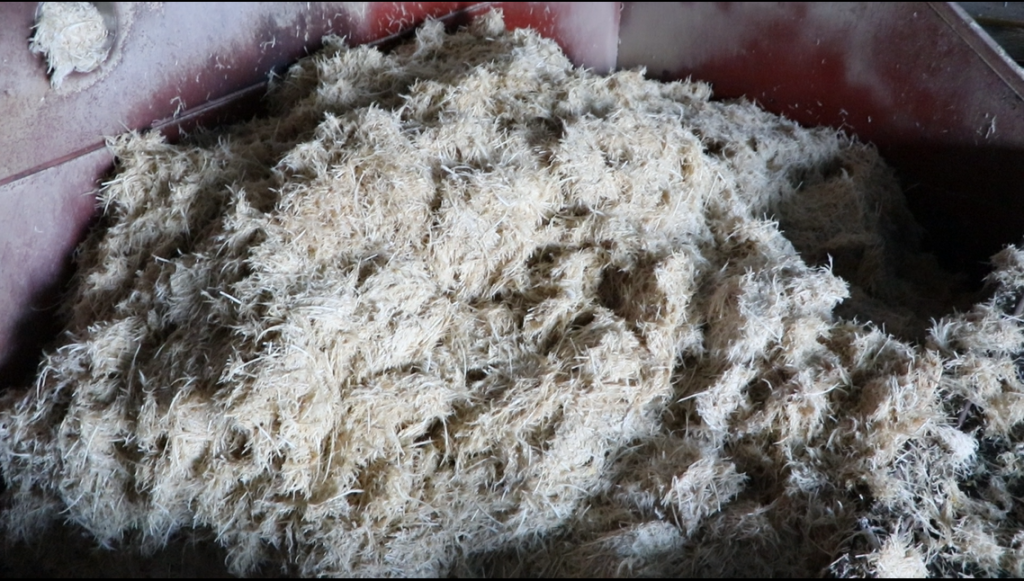
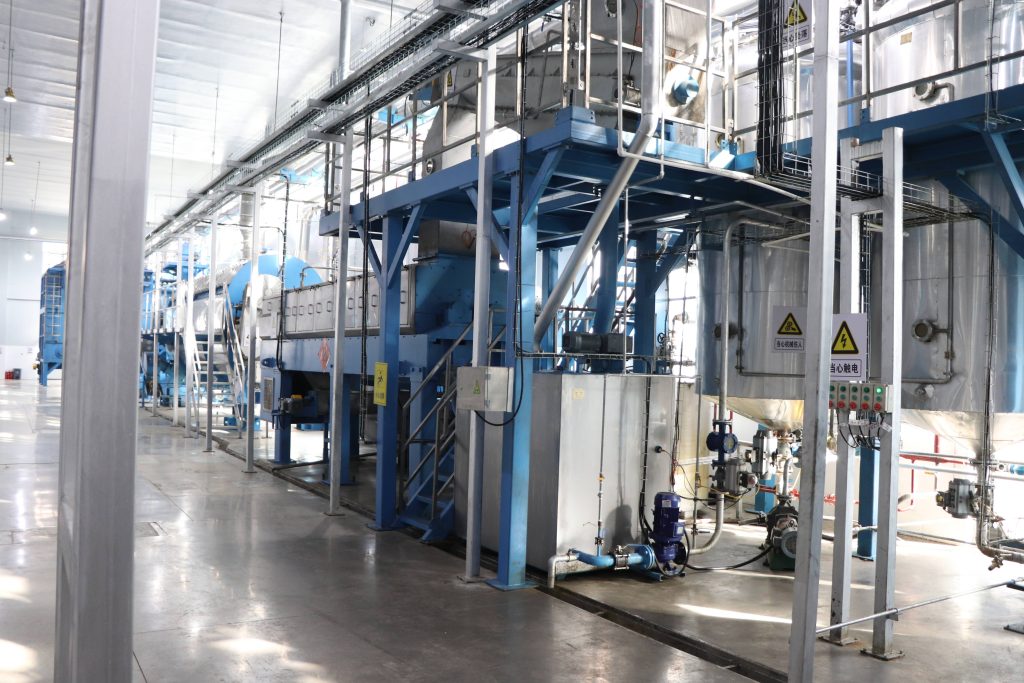
A slaughterhouse waste processing setup may include size reduction, material transfer and pressing. The final equipment selection depends on feedstock type, moisture content, oil content, capacity and local compliance requirements.
Typical equipment steps:
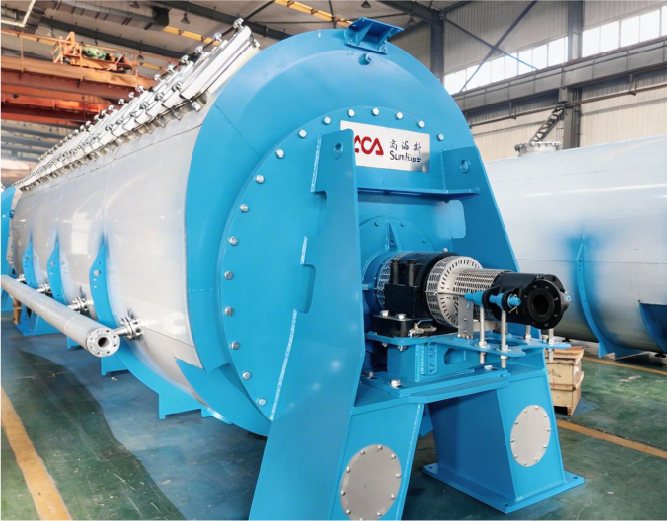
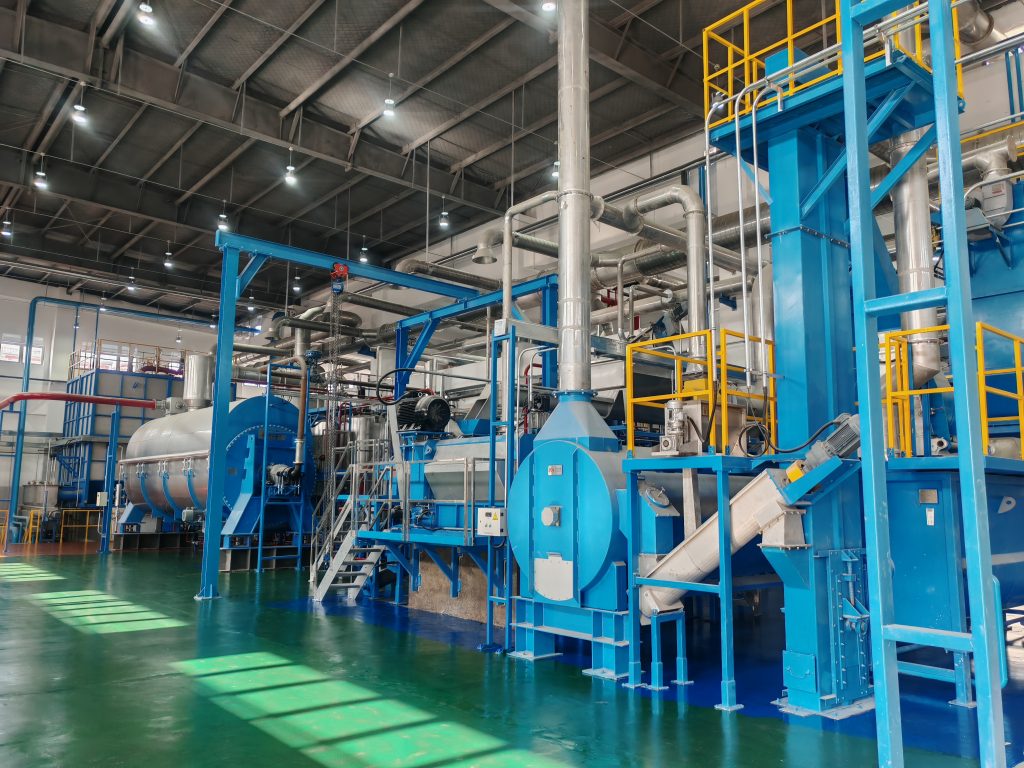
Slaughterhouse waste contains protein, fat, water and organic solids. If it is not handled properly, it can create odor, wastewater load, hygiene risk and high disposal cost.
Eco rendering gives processors a more practical route: recover useful resources first, reduce unstable organic waste, and send less load to downstream treatment. For meat processors, poultry plants and animal by-product handlers, this means better resource efficiency and a cleaner production environment.
There is no single equipment configuration that fits every slaughterhouse. Sunrise recommends suitable equipment according to your material characteristics, daily capacity and operating targets.

Animal Type

Daily Processing Capacity

Moisture and Fat Content

Particle Size and Bone Content

Desired Final Products

Site Layout and Available Utilities
Odor and Wastewater Requirements
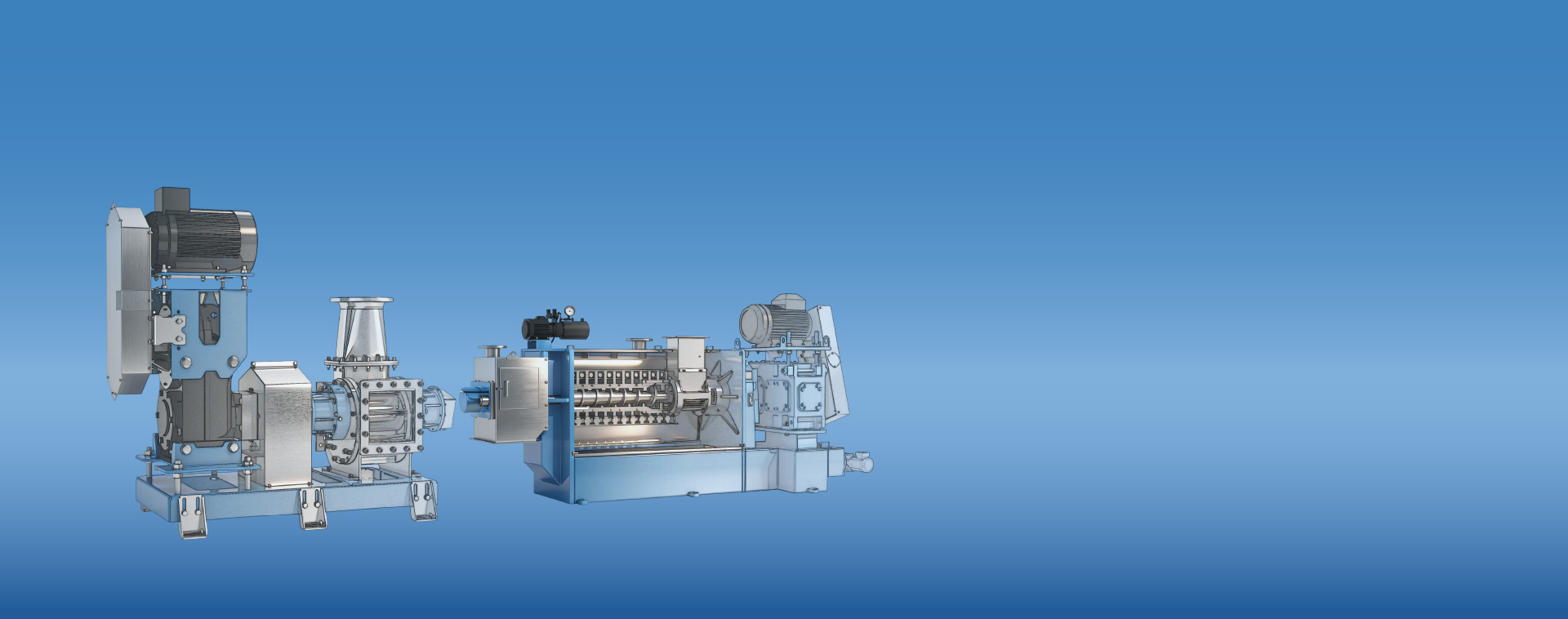
From a single fat press to a full continuous rendering plant — speak with our engineering team about a tailored configuration for your site.

Chinese (Simplified)

English

French

Portuguese

Spanish